

New Anglia University: Understanding ECFMG Certification for International Medical Graduates
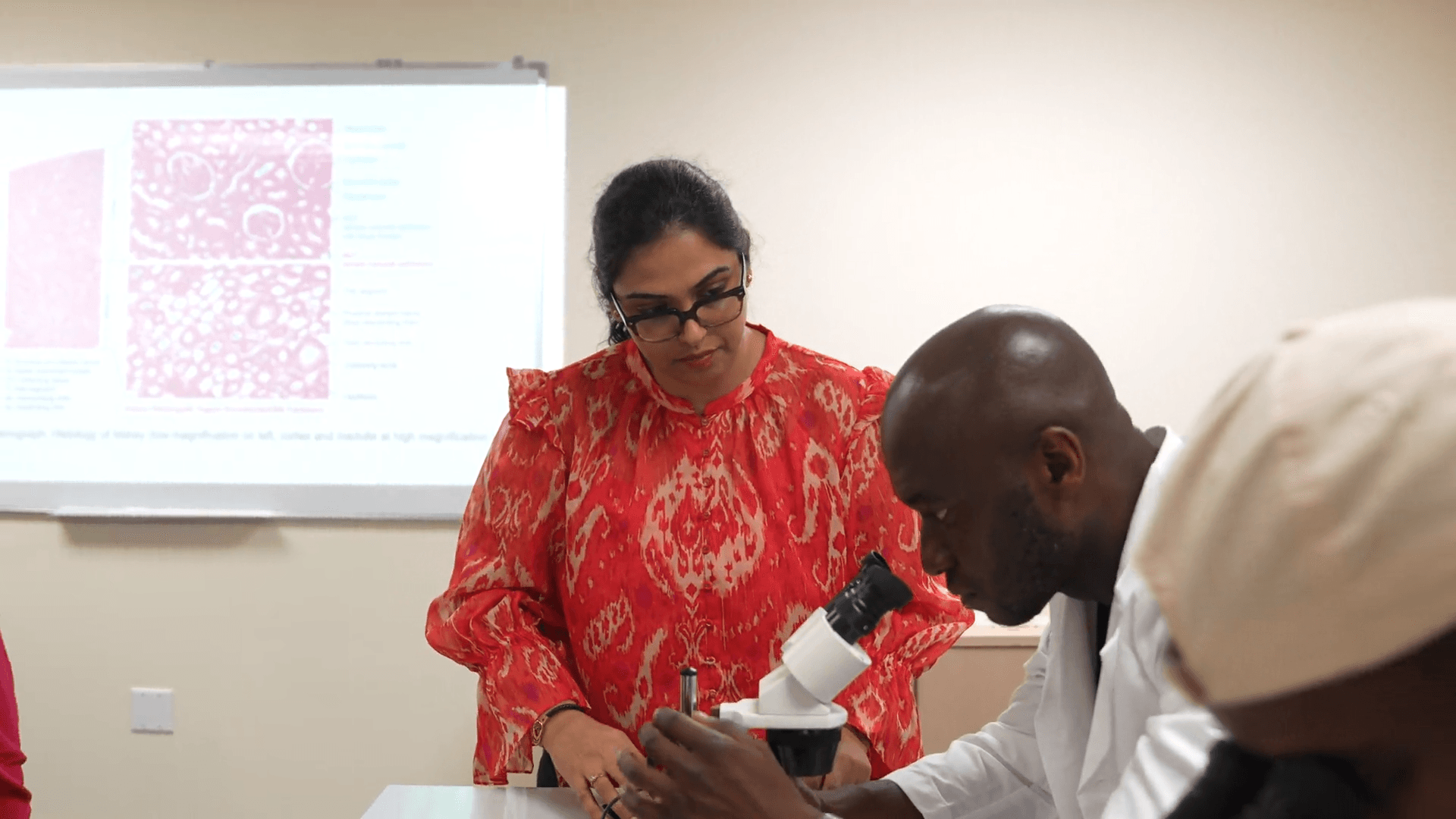
George Hill, Anguilla, 07 July 2026 -- New Anglia University highlights the importance of ECFMG Certification for International Medical Graduates (IMGs), as students educated outside the United States and Canada continue to evaluate medical school recognition, residency eligibility, clinical training, and long-term career pathways in the U.S. healthcare system.
For students considering international medical education, ECFMG Certification is one of the most important requirements to understand early. It is directly connected to U.S. residency eligibility, examination progression, medical school recognition, and future medical licensure.
International Medical Graduates play a significant role in the U.S. physician workforce. However, students planning a future medical career in the United States should understand that obtaining a medical degree is only one part of the process. Medical school eligibility, ECFMG Certification, USMLE requirements, clinical preparation, and residency competitiveness all form part of the wider pathway.
What Is ECFMG Certification?
ECFMG stands for the Educational Commission for Foreign Medical Graduates.
ECFMG Certification is the process through which International Medical Graduates demonstrate that they have met specific requirements before entering U.S. graduate medical education. It is designed for physicians who receive their basic medical degree from a medical school located outside the United States and Canada.
For IMGs, ECFMG Certification is not simply an administrative document. It is a formal eligibility requirement connected to U.S. residency training, later examination progression, and medical licensing considerations.
Why ECFMG Certification Matters for IMGs
ECFMG Certification matters because it is required for International Medical Graduates entering ACGME-accredited residency and fellowship programs in the United States.
It is also one of the eligibility requirements for IMGs to take Step 3 of the United States Medical Licensing Examination (USMLE). In addition, U.S. state medical licensing authorities commonly require ECFMG Certification, among other requirements, before an IMG can obtain an unrestricted medical license.
For prospective students, this means ECFMG Certification should not be treated as a final-year issue. It should be considered before choosing a medical school, because the recognition status of the institution can directly affect whether its students and graduates are eligible to apply for certification.
Who Needs ECFMG Certification?
ECFMG Certification applies to International Medical Graduates.
This includes non-U.S. citizens who graduate from medical schools outside the United States and Canada. It also includes U.S. citizens who choose to study medicine internationally.
This distinction is important. A student's citizenship does not determine whether they need ECFMG Certification. The key factor is where the student receives their basic medical degree. A U.S. citizen who graduates from a medical school outside the United States and Canada is generally treated as an IMG for ECFMG and U.S. residency purposes.
Medical School Recognition Should Be Checked Before Enrolment
One of the most important steps for prospective students is checking whether the medical school they are considering meets ECFMG eligibility requirements.
Students should review whether the medical school is listed in the World Directory of Medical Schools (WDOMS) and whether the school's listing includes an ECFMG Sponsor Note for the relevant graduation years.
The Sponsor Note is important because it indicates whether students and graduates of that medical school may be eligible to apply for ECFMG Certification. If a medical school does not have the appropriate ECFMG Sponsor Note, its students and graduates are not eligible to apply for ECFMG Certification.
Students should independently verify this through the WDOMS website before enrolling. They should review the medical school's listing and confirm that the Sponsor Notes tab contains an ECFMG Sponsor Note covering their expected graduation year. This is particularly important when considering Caribbean medical schools and other international medical schools outside the United States and Canada.
How a Medical School Obtains an ECFMG Sponsor Note
Many prospective students assume that being listed in the World Directory of Medical Schools automatically means that graduates are eligible to apply for ECFMG Certification. In practice, there is an additional review process.
To obtain an ECFMG Sponsor Note, the medical school must request one from ECFMG in accordance with ECFMG's Medical School Listing Policy. The request must come from an authorized medical school official and must be supported by institutional documentation.
As part of its review, ECFMG evaluates whether the medical school meets its eligibility requirements. This includes confirming that the school is recognized as a medical school by the appropriate government authority or authorities in the country where the school is located, and that the degree awarded by the school meets the medical education eligibility requirements for licensure to practice medicine in that country.
Depending on the jurisdiction, the relevant authority may include a Ministry of Health, Ministry of Education, higher education authority, medical council, medical registration authority, national accreditation agency, or another statutory body responsible for recognizing medical schools.
If ECFMG determines that the medical school meets the relevant requirements, an ECFMG Sponsor Note is added to the school's World Directory listing. The Sponsor Note identifies the graduation years for which the school meets ECFMG requirements.
For students, this makes the Sponsor Note one of the most important items to check before enrolling.
What the ECFMG Certification Process Involves
The ECFMG Certification process consists of several components designed to verify that an International Medical Graduate meets the requirements for entry into U.S. graduate medical education.
These include medical school eligibility, medical education credential verification, examination requirements, and clinical and communication skills requirements.
At present, IMGs must satisfy the medical science examination requirement, which includes USMLE Step 1 and USMLE Step 2 Clinical Knowledge (CK). IMGs must also satisfy clinical skills and communication requirements through the applicable ECFMG Pathway, including any required English-language proficiency assessments.
Requirements may change over time, so students should always refer to the official ECFMG and Intealth guidance that applies to their application year.
ECFMG Certification and the U.S. Residency Pathway
ECFMG Certification is a major step in the U.S. residency pathway, but it is not the same as being accepted into residency.
A simplified pathway may include:
- completing a medical degree from an eligible medical school;
- meeting ECFMG Certification requirements;
- completing relevant USMLE requirements;
- applying to residency programs;
- participating in the National Resident Matching Program® (NRMP Match);
- entering ACGME-accredited residency training; and
- later meeting state medical licensing requirements.
For students, the important point is that ECFMG Certification is an eligibility gateway. It allows IMGs to move forward in the U.S. graduate medical education pathway, but it does not replace academic performance, clinical experience, examination preparation, specialty planning, or residency application strategy.
What ECFMG Certification Does Not Guarantee
ECFMG Certification does not guarantee acceptance into a U.S. residency program.
Residency selection remains competitive and depends on multiple factors, including USMLE performance, clinical experience, letters of recommendation, interview performance, specialty choice, research experience, communication skills, and programme-specific requirements.
ECFMG Certification is also not the same as a full medical license. U.S. state medical boards set their own licensing rules, and graduates must review the requirements that apply in the state where they intend to train or practice.
Students should also not assume that all international medical schools provide the same level of support for the ECFMG pathway. Recognition status, documentation systems, examination preparation, clinical rotation structure, and advising support can all affect how confidently students navigate the process.
Why Early Planning Matters
ECFMG Certification should be considered before a student chooses an international medical school.
Prospective students should ask:
- Is the medical school listed in the World Directory of Medical Schools?
- Does the listing include an ECFMG Sponsor Note?
- Which graduation years are covered by the Sponsor Note?
- Does the school provide clear guidance on the ECFMG Certification process?
- How does the curriculum support USMLE preparation?
- What U.S. clinical training opportunities are available?
- What documentation support is provided to students and graduates?
- How does the programme support students preparing for U.S. residency?
These questions can help students avoid uncertainty later and make better-informed decisions about medical school selection, examination timelines, clinical training, and postgraduate planning.
Looking Ahead
As International Medical Graduates continue to contribute to the U.S. physician workforce, ECFMG Certification remains a central requirement for many internationally educated doctors seeking to enter U.S. residency training.
For prospective students, understanding ECFMG Certification is not only a regulatory issue. It is part of choosing a medical education pathway that supports long-term career planning, residency eligibility, clinical preparation, and professional mobility.
New Anglia University continues to support prospective students by providing transparent information about international medical education, ECFMG Certification, medical school recognition, clinical training, U.S. residency preparation, and the key factors students should evaluate when planning a future medical career in the United States.
Contact details: info@newanglia.com Tel: +1 264 498 3768/+44(0) 204 553 3768


Legal Disclaimer:
EIN Presswire provides this news content "as is" without warranty of any kind. We do not accept any responsibility or liability for the accuracy, content, images, videos, licenses, completeness, legality, or reliability of the information contained in this article. If you have any complaints or copyright issues related to this article, kindly contact the author above.
